



If you want to find new businesses opening in 2026, there’s no single national source with all the names, addresses, and details.
Building a useful list means combining several sources: state business registries, local permits and licenses, Google Maps, and local news.
Let’s walk through how these sources fit together, what 2026’s trend data says, and how to check and use what you find.
In this guide, a new business is one registered, licensed, or opened within roughly the last 90 days. Pick your own window and record the date for every entry.
A good list needs solid verification and to stay compliant with outreach rules.
Table of Contents
Quick Overview: Where to Find Lists of New Businesses
- Start at your state’s business registry (usually run by the Secretary of State) for newly registered companies.
- Check city/county license and permit records; some businesses need local approval before opening.
- Scan Google Maps and local news sites for grand openings and announcements.
- Double-check each opening date and contact before you use it.
- Stick to outreach rules like CAN-SPAM for email.
Disclosure: Just because registry data is public doesn’t mean you can use it for anything. Check the rules for each source and definitely read the fine print if you’re scraping or bulk downloading.
What’s Happening at the End of 2026?
Business applications are still high, but that doesn’t mean every application turns into a new company.
According to the Census Bureau’s Business Formation Statistics (BFS), there were 531,728 new business applications in August 2026, down a bit from July. June was also huge, over 531,000 applications and labeled “the biggest first half on record.” Keep in mind, these are applications, not actual businesses. Not every application gets off the ground.
Here’s the gist:
- June 2026: 531,423 applications.
- July 2026: Business applications reached a record 578,926 (seasonally adjusted), representing an 8.1% increase over June 2026
- August 2026: 531,728 applications (seasonally adjusted), down 7.8% from July. 145,387 “high-propensity” applications (those most likely to become employer businesses), down 4.1%.
- September 2026 Applications: 534,947 total seasonally adjusted business applications (an increase of 0.5% from August).
- Next Release: The U.S. Census Bureau is scheduled to release the next round of Business Formation Statistics on November 12, 2026.
- Projected business formations: Census projects that about 28,500 of August’s applications will become employer businesses within four quarters and about 39,000 within eight.
What These Numbers Do and Don’t Mean
Census counts EIN applications (from IRS Form SS-4) rather than real businesses. High-propensity applications are those more likely to hire employees, and Census explains how it identifies them. Treat this data as a trend, not a lead list.
Big Brand Openings in 2026
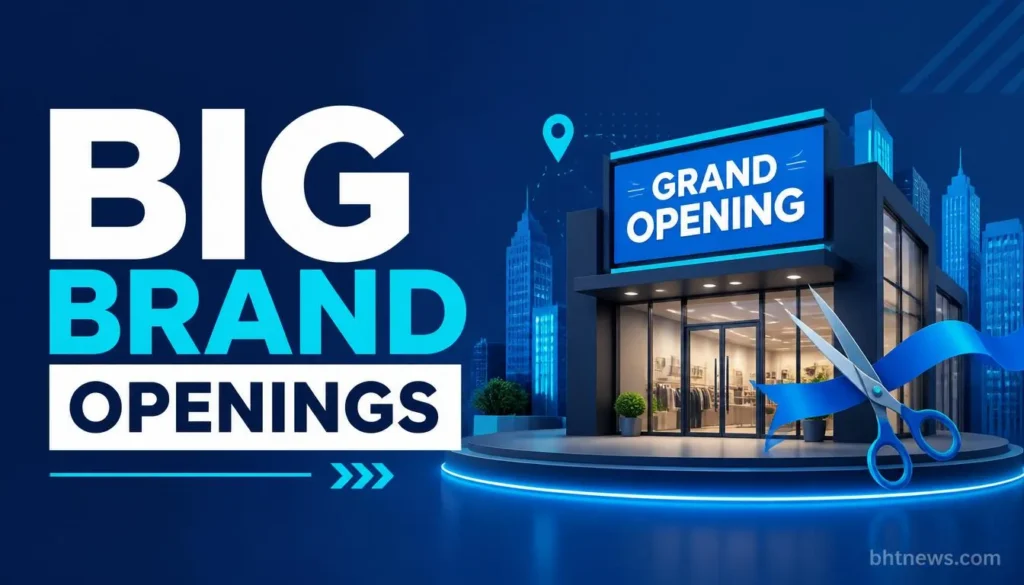
Discount chains are leading the charge. ConsumerAffairs reported about 450 new Dollar General stores and 180 Aldi locations for 2026, plus more than 900 total from value brands.
| Retailer | Planned 2026 openings (as reported) | Note |
|---|---|---|
| Dollar General | 450 | |
| Aldi | 180 | Across 31 states by end of 2026 |
| Ollie’s Bargain Outlet | 75 | |
| Barnes & Noble | 60 | |
| Dollar Tree | 33 | |
| Target | 33 | |
| Costco | 28 | |
| BJ’s Wholesale Club | About 25 to 30 | Covers 2025 and 2026 |
| Kroger | 14 | Grocery stores |
| Nordstrom Rack | At least 13 | |
| Uniqlo | 11 | |
| L.L. Bean | 8 | |
| Walmart | 5 | Early 2026 only |
Caveats: these are plans, not confirmed openings, and the article behind them gives no methodology.
The same report noted more than 1,200 announced closures for 2026, so net store counts may be flat or lower. Check each chain’s store-locator or press page for exact locations and dates.
Where to Find Newly Opened Businesses: Source Comparison
The best sources for a list of newly opened businesses are state registries, local licensing records, Google Maps, and local news; each catches a different kind of business. Use two or three together.
| Source | What you get | Typical cost | Freshness | Main limit |
| State business registry | Entity names, filing dates, addresses | Free to search; bulk access varies | Depends on the state | Registered is not the same as open |
| City or county licenses and permits | License types and addresses | Often free via open-data portals | Depends on the city | Coverage differs by locality |
| Google Maps / Business Profiles | New listings, hours, phones | Free to view | Fast but uneven | Owners control the data |
| Local news and chambers | Grand openings, owner names | Free | Timely | Incomplete and anecdotal |
| Paid lead databases | Compiled lists with contacts | Paid | Varies by vendor | Accuracy and terms vary |
State Business Registries
State registries are your best bet for finding newly registered LLCs, corporations, partnerships, and nonprofits.
Most states offer a free business entity search; some even let you filter by filing date.
Bulk lists or data downloads are hit or miss (and, yeah, fees vary).
But keep in mind: sole proprietors and super-small operators may not show up, since requirements differ.
- Search: most states offer a free business-entity search by name; some let you sort or filter by filing date.
- Bulk or “new filings” data: availability and price vary by state. One lead-generation guide reports that West Virginia offers daily and weekly new-company files and Minnesota sells an active-business dataset for $30; I could not load either state’s page to confirm, so check directly.
- Gap to remember: sole proprietors and some small operators may not appear in state entity records, because registration requirements differ by structure.
Google Maps and Recently Opened Listings
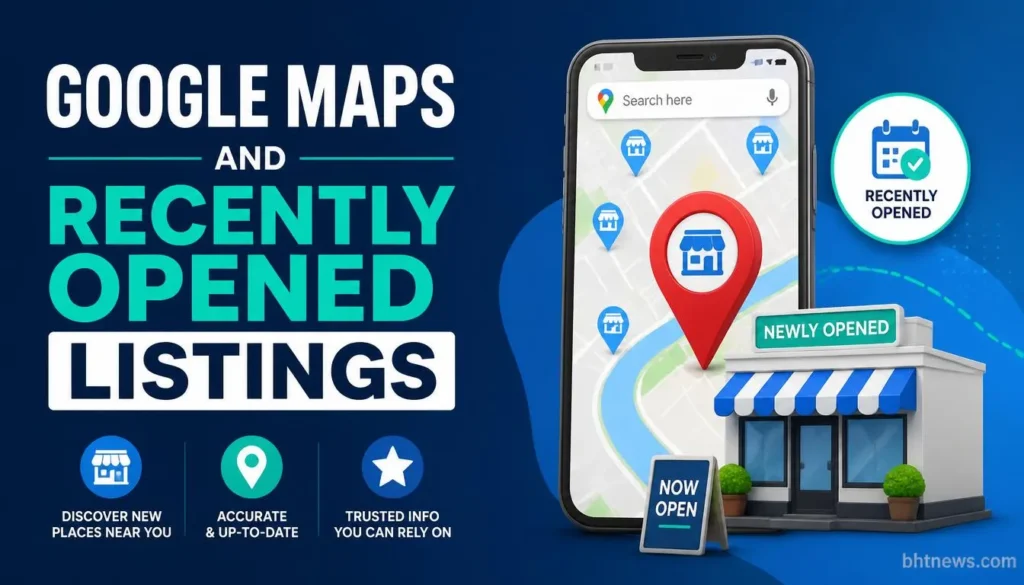
Google Maps & Listings: Google Maps is useful for finding businesses that slipped past registries, but a Google listing doesn’t always mean the business has actually opened.
Owners can set an opening date up to a year ahead, and the profile shows on Google about 90 days before that date. After opening, a ‘Recently opened’ tag appears for 90 days, which is a useful way to find new places.
- Search for categories in your area and look for newly created profiles, new reviews, and “opening” mentions.
- Cross-check any listing against a registry or license record before trusting it.
- Google Alerts and scheduled searches can flag new listings for a category and city.
Business Licenses, Permits and Planning Records
Local permits and licenses often reveal new businesses first, especially in sectors like restaurants, construction, and retail. Many cities put this data out for free. Look for license issue dates, types, and addresses.
Building and certificate-of-occupancy records can tip you off to a new spot before it opens. Always check the portal’s terms before reusing data.
- Look for license issue dates, license types, and addresses; fields differ by city.
- Building and certificate-of-occupancy records can flag a restaurant or store several weeks before opening, depending on the city.
- Read each portal’s terms of use before reusing the data.
Local News, Chambers of Commerce and Grand-Opening Announcements
Local News, Chambers, Grand Opening Announcements: Local coverage fills in the blanks. Regional sites (think Patch) publish “what’s opening” roundups, and chambers of commerce like to promote ribbon cuttings and new members. These sources are handy for confirming what other sources hint at, but aren’t systematic.
Finding New Businesses For Lead Generation
Combining a registry or license source with Maps and news can give you a strong lead list. Here’s a simple workflow:
- Decide what you’re targeting: business type, location, and timeframe (say, last 60 days).
- Pull records from your chosen registry or license source.
- Add Google Maps and local news finds; remove duplicates.
- Verify details; double-check the opening status, address, and contact info.
- Segment by what you sell (restaurants vs professional services, for example).
- Reach out (following the rules) and track responses.
Tools For Building Lead Lists
You can speed things up using:
- Scraping tools exist, but check each site’s terms of use and applicable laws before collecting data.
- Maps scrapers and monitoring tools for new listings.
- Email finders (Hunter, Apollo, ZoomInfo), since registries rarely include email addresses.
- Aggregators (OpenCorporates for registry data, Crunchbase for funded startups).
Premium lists exist for startups: CB Insights picked out 100 top AI startups in 2026 from 40,000+ companies.
How to Verify New Openings and Contact Info
Never assume a registration equals an opening. Double-check everything:
- Match the name and address with a registry or license record.
- Make sure it’s active, not pending, dissolved, or inactive.
- Look for a website, Google Business Profile, or social page with recent activity.
- Call the phone number; does someone answer? Is the address a real storefront or office?
- Note the date and source for every record so you can update later.
Plenty of businesses don’t have storefronts, so if it’s home-based, it might still be legit. Do not visit or call a home address unannounced
Free vs Paid Business Lists: Free sources
work for most local leads; paid databases save time, but cost more and usually have more restrictions. Use what fits your needs and your “list cleaning” bandwidth.
| Free sources | Paid sources | |
| Examples | State registry searches, city open-data portals, Google Maps, local news | Commercial lead databases, enrichment and scraping services |
| Strengths | No license cost, official records | Faster, bulk exports, contact enrichment |
| Weaknesses | Manual work, no emails, uneven formats | Cost, vendor accuracy claims, terms of use |
| Best for | Local service businesses and small lists | High-volume outreach and national lists |
Legal Info: Using New Business Data for Outreach
Disclosure: Just because registry data is public doesn’t mean you can use it for anything. Check the rules for each source and definitely read the fine print if you’re scraping or bulk downloading.
For commercial email in the US, CAN-SPAM rules mean you have to use real header info, honest subject lines, disclose the message is an ad, include your physical address, offer a clear way to opt out, and honor opt-outs within 10 business days. CAN-SPAM applies to business-to-business email as well as consumer email. Violations can get expensive.
Phone calls and texts are covered by separate rules. To be safe, ask a lawyer before launching outreach. Check with a lawyer before launching outreach campaigns.
How Agencies and Service Providers Can Use New-Business Data
New businesses usually need a bunch of services at once, so timely, relevant outreach helps. Here are some ideas:
- Web/branding agencies: A business with a new registration and no website? Good fit.
- Bookkeepers/accountants: New LLCs need books, payroll, and tax setup.
- Insurance, signage, payments: Restaurants with fresh permits may need all three, fast.
- Marketing/print shops: Grand openings mean promo materials.
Example message: “Hi [Name], congrats on opening [Business]. I help new [type] businesses with [service]. Want a checklist? You can opt out any time.” Always include your business name, physical address, and opt-out info in commercial email.
Keep it relevant and modest. Start with a small, well-matched list and test it before you scale. Instead of blasting everyone. That’s more effective and safer legally.
Conclusion
If you want a good list of businesses opening near you, combine sources, check your dates, and follow the rules. Official numbers show business applications are strong in 2026, but only registries, licenses, listings, and local news reveal who’s actually opened their doors.
This is general info, not legal advice. Fees, data sources, and rules keep changing, so make sure you’re up to date.
Ready to start? Pick a registry or license source for your area, pull the latest 30–60 days of records, build a test list with 25 entries, check each one, and try reaching out to a handful to see what works before you scale.
Frequently Asked Questions
Is there an official national list of new businesses?
No. The Census Bureau shares stats, but not names. Names come from state registries, local licenses, Maps, and news.
Does a new EIN mean a business is open?
Not always. An EIN application shows intent, but some never launch.
Will every new business appear in a state registry?
No. LLCs, corporations, partnerships, and nonprofits typically register, but sole proprietors and small operators might not. Use permit/license data too.
Can I get a free list of newly opened businesses?
Usually, yes, for your local area. State registries, city data portals, and Google Maps are free, but bulk downloads or contact details might cost more or take extra digging.
Are “opening soon” listings on Google Maps reliable?
They’re just a hint. Owners control what appears. Verify with licensing records before reaching out.
Is it legal to cold email new businesses?
In the U.S., commercial email is allowed if you follow CAN-SPAM, but other laws and each platform’s rules may also apply. Other rules apply to calls, texts, other countries, and some data sources. Always check with a lawyer.
How often should I refresh a new-business list?
Monthly’s a smart baseline. Businesses change fast, so re-verify any older records before reaching out.