













Here’s something a lot of freelancers and agencies totally miss: the easiest clients out there aren’t the ones with fancy websites, busy social media pages, or big marketing teams.
The real quick wins are small businesses nobody’s really paying attention to online. The ones that aren’t even trying.
They’re the ones with none of that. The businesses without a website are sitting right in your lap; they just need someone to find them.
Honestly, finding these folks for cold outreach takes way less time than you’d think. All you need is Google Maps, a few local directory sites, and a little common sense. You can pull together a list of solid leads in less than an hour.
Here’s how you do it step by step.
Table of Contents
Why Businesses Without a Website Are Your Best Clients
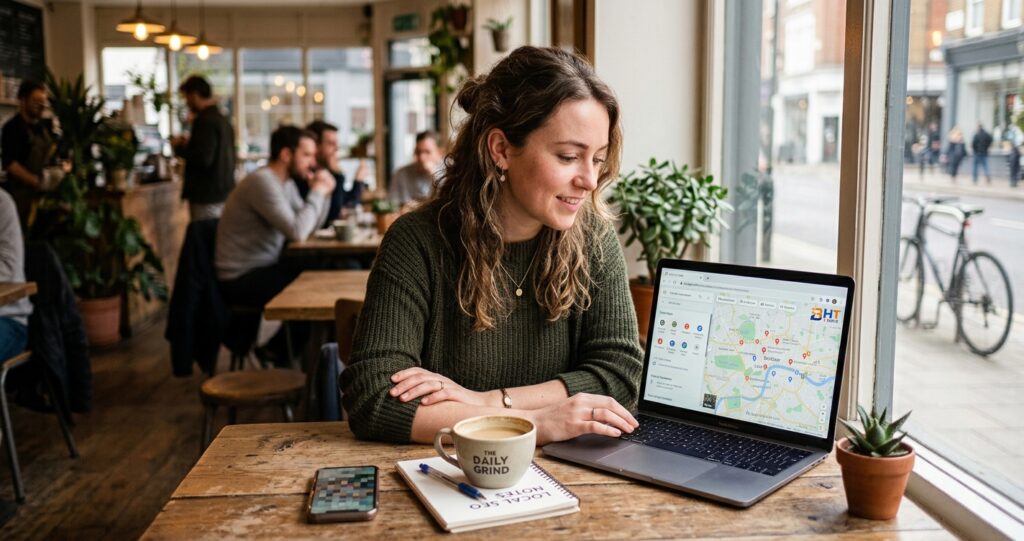
Let me paint you a picture. A local plumber has been getting most of his work through word of mouth for 15 years.
He’s got a Facebook page, a decent Google listing, and a stack of business cards he hands out at the hardware store.
Business is fine. But every month, three or four people in his neighborhood search Google for “emergency plumber near me” and they find his competitor instead.
He doesn’t even know he’s losing those jobs.
That’s the situation for thousands of businesses without a website right now. They’re not avoiding the internet out of stubbornness; most just haven’t had the right person knock on their door with a compelling offer.
And that person could be you.
Here’s why they’re particularly good clients to target:
- Low competition from other agencies (everyone chases the big fish)
- They have a clear, provable pain point you can address immediately
- The sale isn’t complicated; you’re not convincing them to switch platforms
- Many local service businesses have real money to spend; they just don’t know where
According to BrightLocal’s research on local business online stats, a significant share of small businesses still lack a functional website or haven’t updated one in years. That’s a massive, undersaturated pool of potential clients for businesses without a website outreach.
Read Also: Local SEO Services For Small Businesses
Where to Find Businesses Without a Website (7 Methods)
You don’t need a fancy tool to get started. Some of these methods are completely free and take 20 minutes. Others give you scale if you need it.
1. Google Maps & Google Business Profile
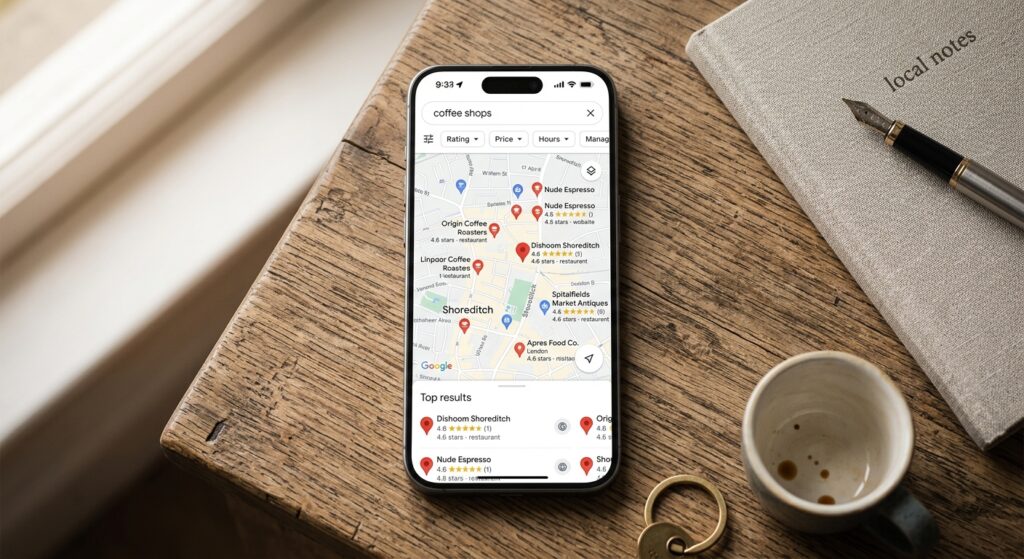
Just hop on Google Maps. Type in the kind of business you want to work with plus a city like “electricians in Tucson.” Then start clicking through the profiles. Focus on listings that look half-finished:
- No website listed (the “Website” button is missing or leads nowhere)
- Low or zero review counts
- Incomplete profiles: no hours, no photos, no description
Businesses with little more than a name, basic info, and maybe an old phone number. No photos, no website, no hours. That’s your goldmine. Jot down their contact info. That’s your lead.
Pro tip: Filter by “Open Now” to find active businesses first. A closed business is less likely to be a warm prospect.
2. Yelp, Yellow Pages & Other Online Directories
Lots of people set up a free listing years ago and never did anything more with it. When you search, sort by “Least Reviewed.” The ones with barely any reviews? They probably aren’t showing up anywhere else online. Other directories worth checking:
- Angi (formerly Angie’s List) — great for service businesses
- Houzz — specifically for contractors, designers, and home pros
- TripAdvisor — useful for restaurants, tour operators, and hospitality
- BBB (Better Business Bureau) — surprisingly complete for local trades
3. Facebook & Instagram Business Pages
Not every business that uses Facebook has a website. Tons of micro-businesses run entirely on social: a bakery posting photos of today’s specials, a personal trainer with a page full of testimonials, a local cleaning service with 300 followers.
Search Facebook for business categories in your target city. Look for pages where the bio either has no website linked, or links to a dead URL. Same on Instagram: a “link in bio” that goes nowhere, or no link at all, is a clear indicator.
4. Local Chamber of Commerce Lists
Most city chambers publish a member directory, either on their website or downloadable as a PDF. These lists often include business name, phone number, and sometimes email, but rarely a website link for every member.
Grab their info, quickly Google their name to double-check for a website, and if you don’t see one, add them to your list.
5. Industry-Specific Databases & Trade Associations
This is where most guides stop, and where your competition stops too. Go further.
Trade associations are another hidden spot; think landscaping, HVAC, plumbing, and construction groups. Their member directories are packed with businesses that are still flying under the digital radar.
These directories exist to connect buyers to suppliers, not to list websites. Many of the members don’t have one.
Examples:
- ACCA (Air Conditioning Contractors of America) — local chapter directories
- NARI (National Association of the Remodeling Industry)
- Landscape Industry Certified contractor lists
- State-level real estate agent association member pages
These are niche, high-intent leads. And almost nobody is targeting them.
6. Physical Signage & Local Foot Traffic
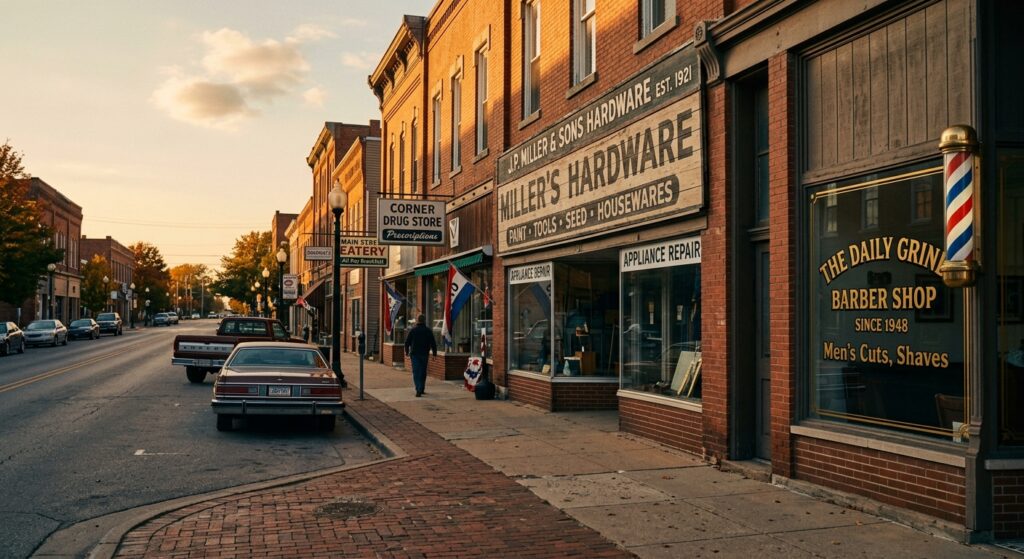
Old school? Yes. Effective? Absolutely.
Take a walk or drive through commercial strips in your area. Note businesses with signage that doesn’t mention a website.
Plumbers, electricians, landscapers, and tradespeople often advertise with a phone number only no .com, no social handle, nothing.
Write down business names and look them up. If there’s no website, that’s your foot in the door.
7. Lead Scraping Tools
If you want to do this at scale, you’ll want a tool. A few worth knowing:
- D7 Lead Finder — searches business directories and flags sites with no website or a very basic one
- Hunter.io — finds contact emails for businesses once you have their domain (useful for partial digital presences)
- Outscraper — pulls Google Maps data in bulk, including website presence status
- BrightLocal’s Citation Tracker — shows where a business is listed and what info is missing
These tools don’t replace judgment. You still need to qualify leads manually before reaching out. But they’ll cut your research time from hours to minutes.
How to Qualify the Right Leads
Not every business on your list is worth contacting. Spending an afternoon pitching a business that’s shutting down next month, or one where the owner genuinely doesn’t want an online presence, is wasted energy.
Here’s how to quickly qualify before you reach out:
- Check Google Business Profile reviews — a business with 50+ reviews but no website is almost certainly leaving money on the table and knows it
- Look at their competitors — if the top 3 Google results for their trade in their city all have websites, the no-website business is at a clear disadvantage compared to the businesses with websites.
- Call ahead informally — a quick “Hey, I found your business on Google Maps and had a quick question” call tells you a lot about how receptive they might be
- Look for signs of growth — are they hiring? Expanding? Active on social? Growing businesses are far more likely to invest in digital
My personal filter: I only reach out to businesses with existing Google reviews. It tells me the owner cares about their reputation and is somewhat digitally aware. That awareness makes the conversion conversation much easier.
Cold Outreach That Actually Gets Replies
You’ve got your list. Now what?
The worst thing you can do is send a generic email that says, “I noticed you don’t have a website. I build websites.
Here’s my portfolio.” That gets deleted in two seconds flat.
What works instead:
- Lead with their loss, not your offer. “I searched for plumbers in [city] and your competitor’s website showed up first; yours didn’t” is more compelling than “I build affordable websites.”
- Be specific. Screenshot their missing Google website button. Screenshot their competitor’s homepage. Show the gap visually.
- Keep it short. Five sentences max for the first message. You’re not selling anything, yet you’re starting a conversation.
- Use the phone when possible. Most local business owners answer their phones and don’t check email. A short, confident call beats any email.
- Follow up. Most replies come on the second or third contact. One message and done doesn’t work.
When You Reach Out, Don’t Overthink the Message
Here’s a simple script: Problem → Evidence → Offer → Ask.
“Hey [Name], I looked up [trade] in [city] and saw you’re missing from the top results because [reason]. I help businesses like yours fix that. Want to hop on a quick 10-minute call this week?”
That’s it—simple, direct, no pressure.
Start Your Outreach List Today
Really, finding these overlooked businesses isn’t rocket science. You just need to know where to dig and keep at it every week.
Google Maps, local directories, Facebook, chamber lists, trade associations the leads are out there.
Right now, millions of small business owners are losing customers to competitors who just have a slightly better online presence.
You’re in the perfect spot to help them change that. Pick one city and one type of business, spend one focused hour building your lead list, then send out ten clear messages. That’s how you get started. See what happens.
The pipeline you build this week could generate consistent inbound revenue by next month.
Frequently Asked Questions
How do I know if a local business doesn’t have a website?
The fastest check is Google Maps. Search for the business type and city, click on listings, and look for the website button in their profile. If it’s missing or leads to a broken link, they’re likely offline. You can also do a quick Google search with the business name and city — if no website shows up in the first few results, that’s your answer. Facebook and Instagram pages with no external link in the bio are another clear signal.
Are businesses without a website actually good prospects for web design services?
Yes — some of the best ones, actually. The key is choosing businesses that are already generating revenue and have clear competitors with websites. A local plumber, HVAC contractor, or restaurant with good reviews but no site is already proven in their market. They don’t need convincing that they have a business worth promoting — they just need to see the gap. That’s a much easier sale than starting from zero.
What’s the best free tool to find businesses without a website?
Google Maps is genuinely your best free tool for this. It’s comprehensive, updated constantly, and tells you immediately whether a business has a website linked. Pair it with Yelp (filter by category and city, sort by least reviewed), and you’ll have a solid list of cold outreach targets in 30–45 minutes without spending a cent. Local chamber of commerce directories are also free and often overlooked.
How many businesses without a website should I contact per day?
Quality matters far more than volume here. Ten well-researched, personalized outreach messages will outperform a hundred generic blasts every time. For most freelancers just starting, reaching out to 10–15 qualified businesses per day is sustainable and gives you enough data to refine your pitch within the first two weeks. Once you have a script that’s working, you can scale up or use virtual assistants to build and manage the pipeline.
Ready to Build Your Outreach Pipeline?
| If you offer web design, SEO, or digital marketing services and want a done-for-you list of local businesses without a website in your target niche — start with the methods in this guide and take action today. Every business you find is a conversation waiting to happen. |