








Is AI really shaking up business, or is it just the latest overpriced tech craze? Honestly, it’s both — and your take probably depends on what kind of results you’ve seen. Some companies are saving real time and money, spotting issues early, and actually getting returns. Others? They’ve poured money into AI pilots that never got past the PowerPoint phase.
That divide is the real story with AI in business right now, and it’s a lot more useful to talk about than another “AI will change everything tomorrow!” article.
Let’s focus on where AI actually works — inside supply chains, customer service, and forecasting — and also call out the headaches: costs, messy data, and training gaps that throw companies off track.
Table of Contents
Supply Chains: When Spreadsheets Aren’t Enough
Remember when supply chain planning was just a few spreadsheet pros running on gut instinct? Those instincts still matter, but they get overwhelmed fast when you’re juggling hundreds of products in a dozen warehouses and an online store that spikes at odd hours.
Take this national retailer with about 800 stores. They kept running into the same headache: either way too much inventory in the wrong warehouse, or nothing in stock when they needed it most.
They rolled out AI-driven demand forecasting and inventory tools, but here’s the detail that mattered — they didn’t ditch their planners for robots. They paired data scientists with their people.
The result? Inventory accuracy went up, waste went down, and a year later, they were doing fewer fire-sale markdowns.
This pattern repeats everywhere: companies using AI agents to track suppliers, predict weird demand bumps, or even haggle over shipping rates in real-time are logging real returns — sometimes over 300% ROI in 18 months, once things actually go live beyond the pilot stage.
But don’t kid yourself: most supply chain teams don’t have a real AI plan yet; they’re just dabbling, which is why the results bounce around so much.
Customer Service: Where AI Pays Off Fast
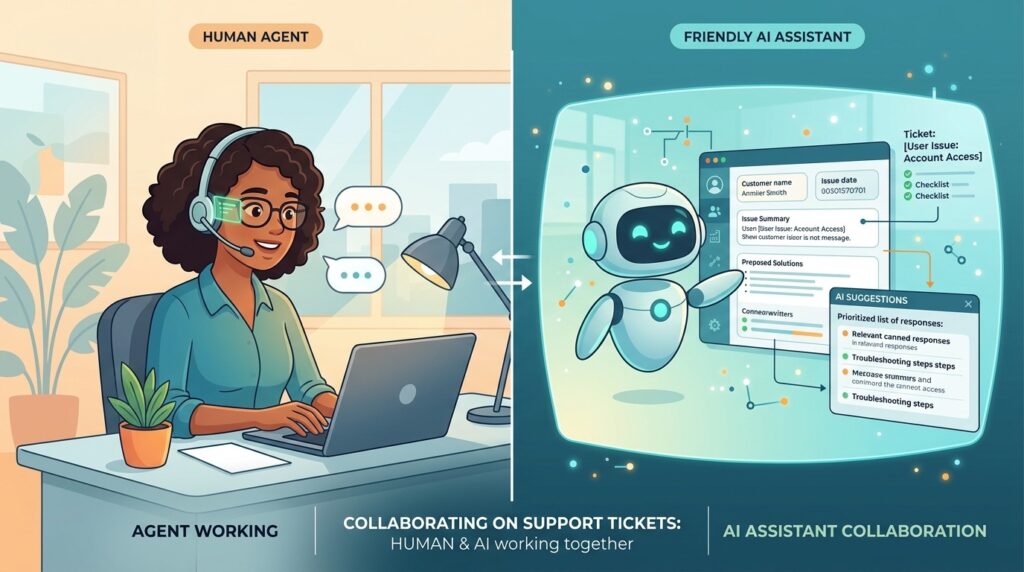
Want quick AI wins? Customer support is your sweet spot. AI for triage and faster response shows ROI in weeks, not months, because you can measure stuff like call handling time or customer satisfaction instantly.
One big telecom with 12 million customers battled churn because their agents only called when a customer was already halfway out the door.
When they switched to AI — predicting who’d quit before they actually did — their yearly churn dropped by 22%. That’s 180,000 people sticking around, and their retention marketing got a serious boost too.
But don’t let anyone tell you AI can run support on its own. A fintech tried to go full robot, axing all human help, and had to backtrack publicly when complaints exploded.
The lesson? AI should handle the routine stuff, but you need humans for the messy, complicated problems. Balance wins.
Market Predictions and Finance: Less Grunt Work, More Insight

In finance and market forecasting, AI’s picking up all the boring tasks: drafting slides, matching transactions, flagging anything fishy. There’s a major bank running hundreds of AI agents, spitting out first-draft presentations in 30 seconds. That used to eat up hours of human time.
But here’s where it gets interesting: AI now doesn’t just look back and summarize. It spots cash flow problems or compliance risks before they blow up, letting people focus on bigger moves instead of chasing yesterday’s errors.
The Hard Truth: AI Rollouts Are Messy

Let’s get real — too much business talk skips over this bit. Most big studies on AI pilots show that most don’t make money. That doesn’t mean you should steer clear. It means you need to be smarter about why things flop:
- Data privacy and governance. If you dump sensitive info into AI systems without serious guardrails, you’re risking compliance — not just tech problems.
- Costs. Plugging AI into old systems, cleaning up shitty data, and keeping things running is never a one-time bill. It’s constant upkeep.
- Training gaps. If your team doesn’t trust the tool, or doesn’t know how to use it, you won’t win — and training takes real effort.
- Silos. When every team runs its own AI project with no coordination, you lose out on compound value.
- Unrealistic timelines. Executives who expect magic in 60 days usually lose interest before anything meaningful happens. Real payoffs usually need more patience.
What Winning Teams Do Differently
Look at the companies actually getting results. They start small with something that matters. They bring together tech people and the folks who really know the workflow. And they put real energy into getting employees on board, so people actually trust the output.
It’s not a sexy answer, but it works. If you want to try it yourself, you don’t need a big budget right away. Use a free AI builder to put together a simple tool for your team. Test it on the most annoying task first. Then, if it works, scale up.
Wrapping Up: Keep it Real
AI in business isn’t some fairy tale of instant wins — or total failure. It’s about how you roll it out. Most of the leaders aren’t just using the latest models or fancy tools. They’re being methodical: starting with one big bottleneck, measuring honestly, investing in training, and fixing their messy data before trying to scale.
If you’re thinking about AI for your team, don’t try to boil the ocean. Pick the process wasting your time or money, run a small pilot, and let the data — not the hype — guide your next step. That’s how the real winners are doing it.
Frequently Asked Questions
Where does AI deliver the fastest ROI?
Hands down, customer service — you see results in weeks since it’s easy to track numbers like call times and customer feedback. For supply chain or finance, it usually takes 9-12 months because the data needs cleanup first. Starting small and measuring is the key.
Why do so many AI pilots flop?
It’s almost always about people and process, not the tech itself. Bad or dirty data, siloed projects, and no training for end users trip things up. Rushed timelines make it worse. The best results come from starting with one clear project, measuring it closely, and only scaling up what works.
Is AI actually taking over customer support?
Not really. Whenever companies tried to go AI-only, it backfired. The best-performing teams let AI handle simple stuff and keep people for tough cases or escalations. Customers and results both do better that way.